
Ikigai Tribe Certified Workplace Facilitator™
Build the internal capability that improves retention through stronger managers and culture consistency
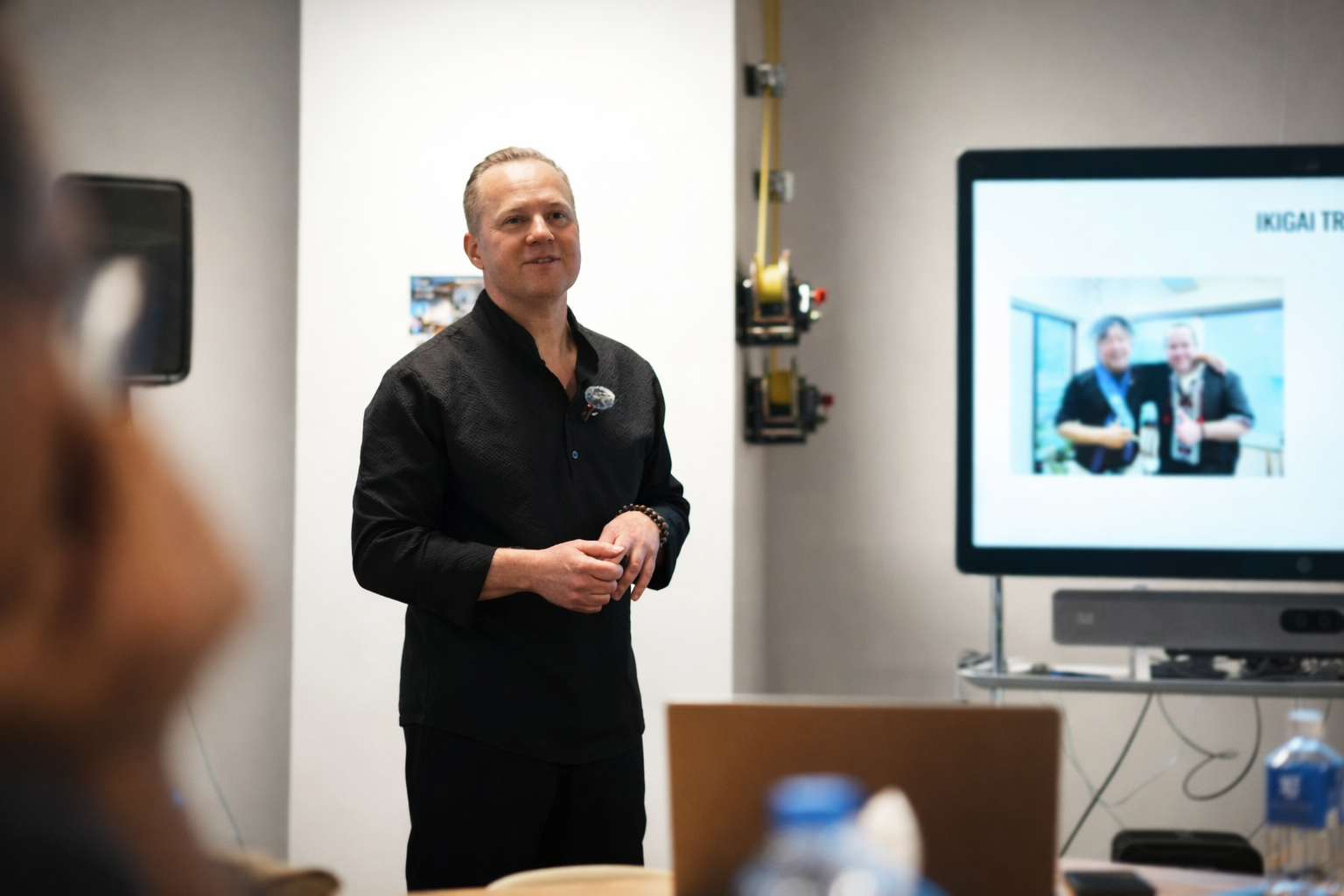
A repeatable system for manager capability, belonging, and role clarity
This live enterprise certification equips HR, L&D, and leadership teams with licensed internal facilitators who can lead role clarity, belonging, and manager conversations that keep people engaged, growing, and committed.
From restructures to AI-driven role redesign, your organization builds a repeatable culture infrastructure of manager conversations, team rituals, and reflection practices that strengthens retention, upgrades manager capability, and creates a more consistent employee experience across teams.
Participants leave certified to facilitate:
- role clarity conversations
- belonging rituals
- manager 1:1s
- team reflection labs
- role redesign conversations
- AI-era identity shifts
- leadership development experiences
Instead of outsourcing culture work, your organization develops internal capability that compounds over time.
Who you’ll certify
Designed for the people and teams shaping culture, leadership capability, employee experience, and organizational transformation. These are the people who become your licensed internal facilitators.
Individuals
Teams
The 3 Pillars of Workplace Facilitation
Participants learn to facilitate through three signature workplace capability pillars:
Ikigai — Meaningful Contribution
Help employees reconnect their daily work to purpose, strengths, contribution, and future growth.
Facilitators guide conversations that help people understand:
- what they do best
- where they create the most value
- how their work contributes to something larger
- where their role is evolving next
This strengthens engagement, motivation, and long-term retention.
Rolefulness — Role Clarity & Confidence
Guide conversations that reduce ambiguity, strengthen ownership, and increase confidence in contribution.
Facilitators help employees and teams explore:
- role clarity
- decision rights
- expectations
- role overload
- contribution visibility
- future role confidence
This is how manager conversations become clearer, faster, and more developmental.
Ibasho — Belonging & Psychological Place
Create the conditions for people to feel safe, seen, and anchored in the team.
Facilitators embed belonging through:
- psychological safety rituals
- contribution acknowledgements
- reflective team conversations
- shared language for inclusion and presence
This is how belonging becomes a lived workplace rhythm, not just a culture aspiration.
How your facilitators apply the pillars at work
Once certified, facilitators use the three pillars across the everyday moments that shape retention, manager capability, and culture consistency.
They apply the framework through:
- manager 1:1s that improve clarity, confidence, and growth
- team labs that strengthen alignment, contribution, and belonging
- role redesign conversations during change, AI adoption, and evolving responsibilities
- rituals that embed reflection, recognition, and cultural consistency
- reflection practices that help teams learn, reset, and adapt over time
This is how the methodology translates into everyday conversations, rituals, and culture behaviors across the organization.
Your certified facilitators gain license-ready systems
The certification translates the three-pillar methodology into named internal tools, diagnostics, and conversation systems your organization can use consistently across teams.
Once certified, facilitators use the three pillars across the everyday moments that shape retention, manager capability, and culture consistency.
They apply the framework through:
- manager 1:1s that improve clarity, confidence, and growth
- team labs that strengthen alignment, contribution, and belonging
- role redesign conversations during change, AI adoption, and evolving responsibilities
- rituals that embed reflection, recognition, and cultural consistency
- reflection practices that help teams learn, reset, and adapt over time
This is how the methodology translates into everyday conversations, rituals, and culture behaviors across the organization.