
When you hear the word ikigai, what comes to mind — something grand and life-defining, or something that simply brings a little joy to your day?
In this episode of the Ikigai Podcast, Nick speaks with Minako Horaguchi about how ikigai can be found even in life’s small, meaningful moments.
Podcast Highlights
- Minako’s background. Minako shares a bit about her background.
- Defining ikigai. Minako explains what ikigai is.
- Western interpretation of ikigai. Minako explains the differences between Western and Japanese understandings of Ikigai.
- Distinguishing purpose from ikigai. Minako defines purpose and explains how it differs from ikigai.
- How to overcome challenges and move forward. Minako shares how people can navigate challenges.
- Discovering one’s ikigai. Minako shares advice on how people can find their Ikigai.
- Importance of harmony in Japan. Minako discusses how Japanese culture emphasizes harmony.
- Ikigai and harmony. Minako explains that harmony is essential for maintaining ikigai.
- Fostering harmony in everyday life. Minako shares advice on how people can cultivate harmony in their lives.
Ai Kihara
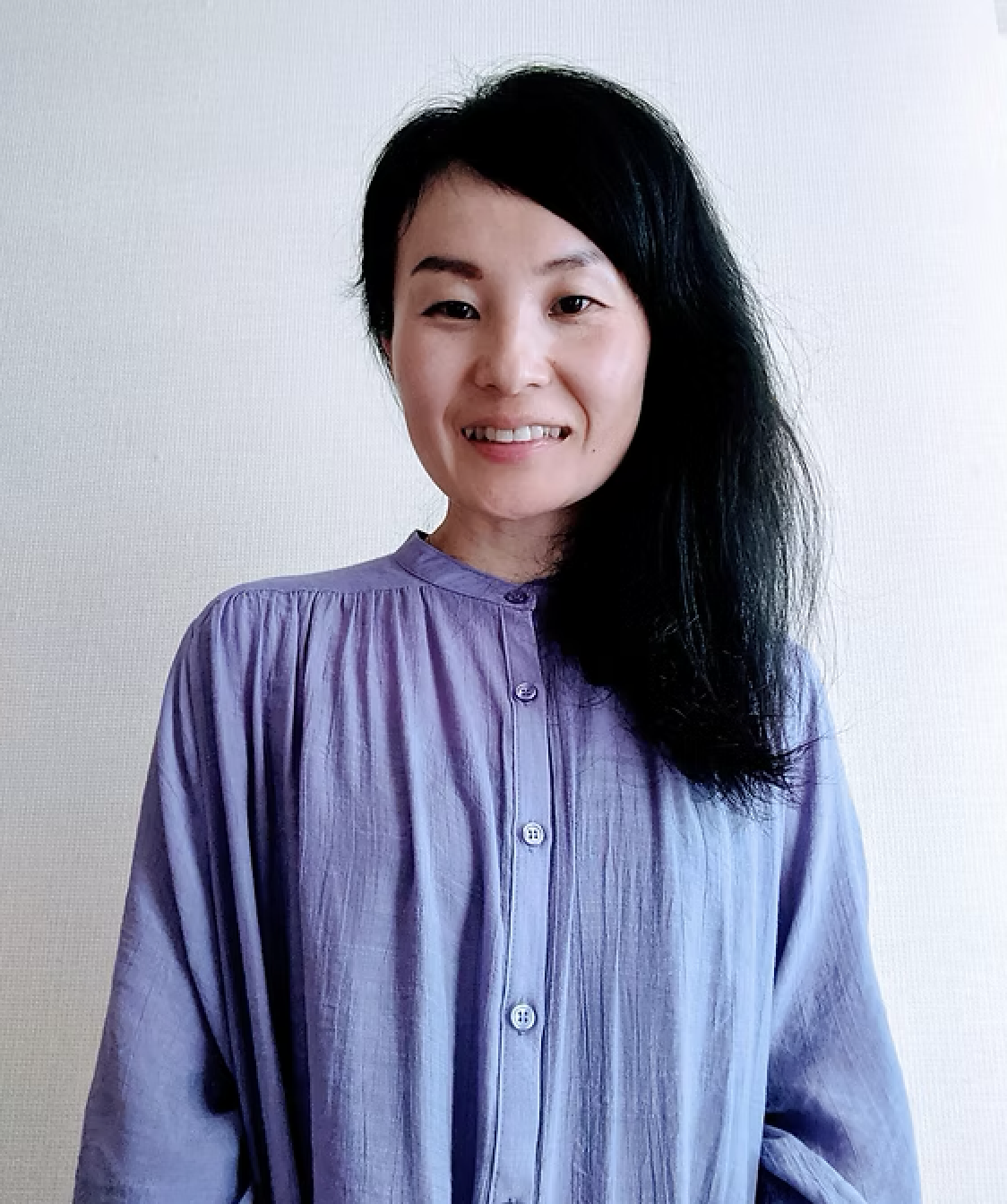
Minako Horaguchi is an educator, certified life coach, and NLP practitioner dedicated to guiding individuals through Ikigai-based transformation. Born and raised in the tranquil countryside of Takayama, Japan, she grew up surrounded by simplicity, nature, and a strong sense of community—values that continue to shape both her worldview and her work today.
Minako now resides in San Francisco with her husband and two children, where she helps others find purpose, balance, and fulfillment in their own lives.
Minako’s background
Minako was born and raised in Takayama, Gifu, a serene town near Japan’s Northern Alps. Surrounded by mountains and rice paddies, she grew up immersed in nature and the simplicity of rural life.
Her passion for helping others emerged during her years as a teacher, inspiring her to open her own school and embrace the Japanese philosophy of ikigai. Now based in California with her husband and two children, Minako is a certified Ikigai life coach and NLP practitioner, devoted to helping others discover their true selves and lead purposeful, fulfilling lives.

“I do think ikigai coaching will become more important as we move into this world of AI where not just goals, but meaning, purpose, sense of self will begin to matter more as our individuality will probably matter more, because we're going to be restricted on what we can do as AI seems to be taking over a lot of jobs, roles, and whatnot.” - Nicholas Kemp
Defining ikigai
Ikigai comes from two Japanese words — iki (to live) and gai (worth living). Minako describes it as the feeling that makes life worth living. Instead of trying to answer the big question ‘What makes life worth living?’, she focuses on how it feels to experience it — feelings of joy, excitement, fulfillment, connection, and love.
These moments, when the heart feels alive and grateful, are the essence of ikigai. She views ikigai as a collection of small moments of happiness and appreciation, like receiving a gift. By continuing to do what feels good and meaningful, one can nurture and grow their sense of ikigai.

“Ikigai is like a collection of small moments of happiness and joy—a beautiful feeling. You receive these feelings and simply appreciate them—it’s like a gift.” - Minako Horaguchi
Western interpretation of ikigai
Minako recalls being initially inspired by the popular Ikigai Venn diagram, finding it simple and motivating. However, as she learned more, she realized that this Western interpretation of Ikigai focuses heavily on career, purpose, success, and achievement—big, external goals. In contrast, the authentic Japanese understanding of ikigai is much more personal and subtle, rooted in small moments of joy, daily actions, and inner feelings of contentment.
She explains that Japanese ikigai emphasizes inner joy, simplicity, community, and connection, while the Western version tends to emphasize productivity, ambition, and individuality.
Distinguishing purpose from ikigai
Minako explains that purpose represents one’s ‘why’—the deeper reason behind actions, creations, and existence. It’s closely tied to a person’s core values and what truly matters to them. Unlike a goal, purpose is an ongoing journey with no endpoint, often extending beyond personal needs to include contributing to others and the broader community. While ikigai isn’t the same as purpose, Minako notes that small experiences of Ikigai can gradually grow into a greater sense of purpose.
How to overcome challenges and move forward
Minako recalls feeling lost and disconnected from her ikigai, unsure of what to do next. One day, she heard motivational speaker Rachel Hollis suggest writing down a detailed vision of one’s dream life five years in the future — including how you want to feel. Inspired, Minako began journaling about her ideal life: living on a hill with sunlight and sunsets, gardening, sharing meals with loved ones, and having a flexible, fulfilling career.
At first, it was difficult because her world felt small and routine, but as she wrote, she began to feel hopeful and inspired. She then started taking small, intentional steps aligned with her dreams and values. These small actions made her feel more positive, fulfilled, and kind — helping her grow into a better version of herself. Over time, this process of living intentionally and in alignment with what mattered most guided her toward a new path, ultimately leading her to become a life coach.
“I learned that living intentionally every day in alignment with what matters to me, my values, and the feeling that I want to feel is crucial and it's really good for me. I felt like I became a better version of myself, and then I was kinder to others and I was more in a good mood.” - Minako Horaguchi
Discovering one’s ikigai
Minako likens each person to a unique tree with a seed of ikigai representing their potential, which can grow into a meaningful purpose. Some seeds are hidden, so the first step is to acknowledge their existence through daily journaling or reflection to explore dreams, desires, and moments of joy.
Next, she advises nurturing the seed with small, intentional actions, embracing joy, and practicing patience and presence rather than focusing on speed or results. She stresses self-kindness and non-judgment, warning against comparing oneself to others. By embracing imperfection and celebrating one’s uniqueness, each person can cultivate their own purpose and find beauty in the process of growth.
Importance of harmony in Japan
In her newsletter, the Art of life, Minako discusses how harmony is a highly valued concept in Japan. She explains that Japan’s emphasis on harmony has deep historical roots. Traditional rice farming required people to adapt to the weather, work with nature, and cooperate with one another to survive. This value of harmony continues today in corporate teamwork, local communities, and disaster response, where people remain calm, help each other, and ensure their neighbors are safe.
Ikigai and harmony
Losing harmony leads to conflict, stress, frustration, and sadness, which drain energy and can hinder nurturing one’s ikigai, even affecting health. Minako emphasizes the importance of creating space to listen and understand differences, fostering peace. A peaceful, harmonious environment allows focus on what truly matters, while dwelling on conflict and negative emotions is destructive. Practicing kindness to oneself and others helps maintain sustainability and supports personal growth.
Fostering harmony in everyday life
Minako emphasizes the importance of understanding both yourself and others. Without this understanding, people tend to judge others automatically, especially when encountering differences. She advises creating space to listen without imposing your own values, focusing on understanding others’ needs and perspectives before responding.
Conclusion
In the West, ikigai is often seen as something grand, giving the impression that it’s about achieving big goals. In contrast, in Japan, ikigai is not necessarily tied to grand achievements—it can come from the small things that inspire us to keep going, offering a beautiful feeling that makes life truly worthwhile.