
With constant distractions everywhere, how can you stay receptive to notice life’s aha moments?
In this episode of the Ikigai Podcast, Nick speaks with Mae Yoshikawa about how moments of deep insight, known in Japanese culture as kizuki, can reshape self-understanding and perspective on life.Podcast Highlights
- A life shaped by multiple worlds. Mae explains how her life was influenced by growing up among different cultures.
- Discovering healing through yoga and reflection. Mae explains how yoga played an important role in helping her restore her health.
- When loss becomes a catalyst for insight. Mae reflects on her experience of profound loss.
- Understanding the meaning of kizuki. Mae explains what kizuki is.
- The role of journaling in self-awareness. Mae describes how journaling supported her healing process.
Mae Yoshikawa
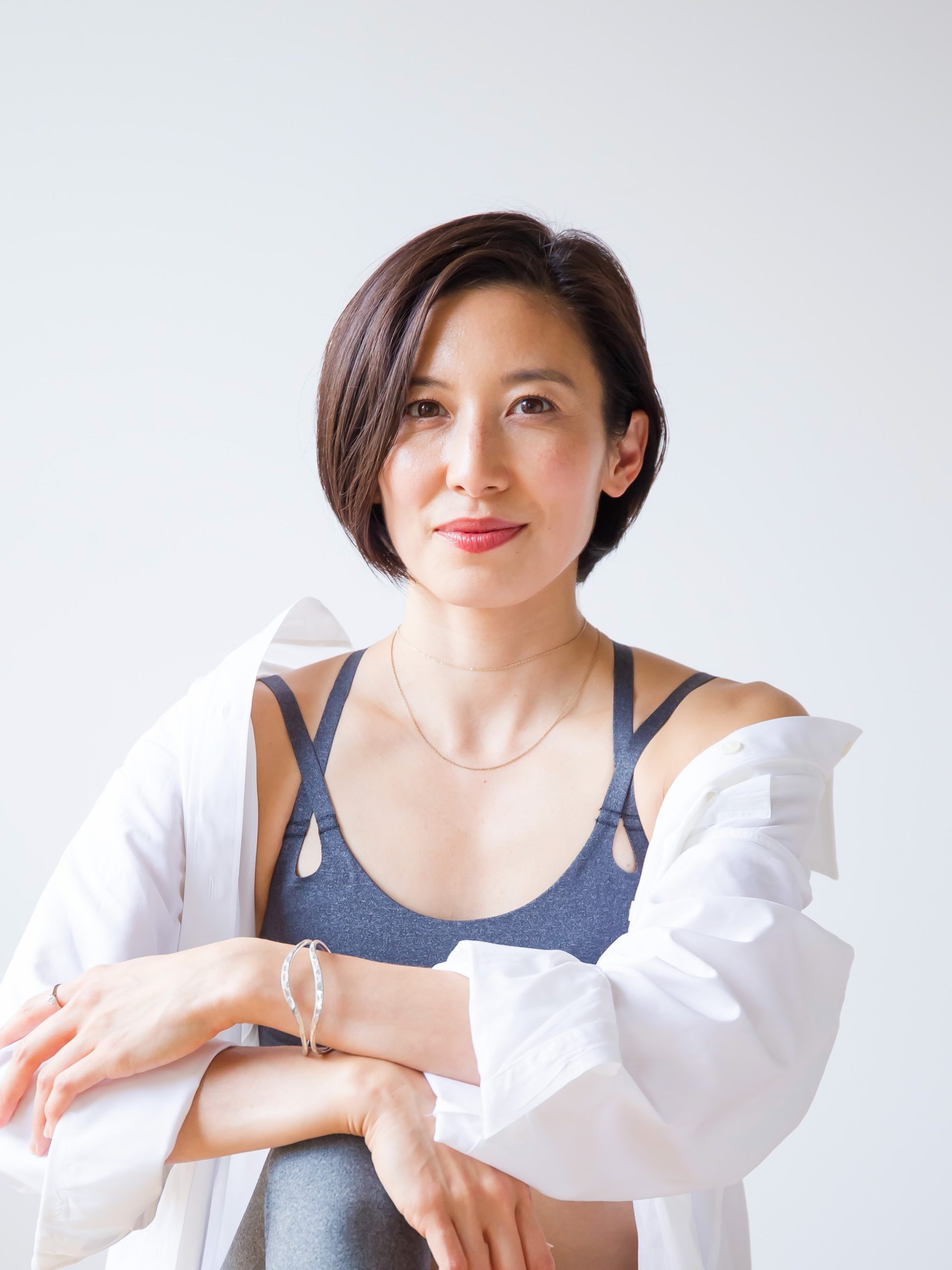
Mae Yoshikawa is a speaker, author, and creator of Kizuki Journaling, a reflective practice that turns lived experience into a practical path for self-awareness, resilience, and clarity.
Born and raised in Japan with a quarter-American heritage, she brings a multicultural perspective to her work, blending Eastern philosophy with global insight. A pioneer in wellness, Mae began practicing Ashtanga yoga in 2001 and later became the first Japanese woman authorized by its founding school in South India.
A life shaped by multiple worlds
Mae’s life reflects a blend of cultures. Raised in Tokyo by a Japanese-American mother and a Japanese father, she attended international schools and spoke fluent English while living in Japanese society.
Her early years were also challenging. As a teenager, her parents divorced, shaking her sense of stability. Soon after, her mother developed a rare neurological disease similar to early-onset Alzheimer’s, and watching her mother’s gradual decline deeply affected her.
These experiences led Mae to question identity, relationships, and what defines a person. By age twenty, she was struggling with depression and insomnia. Realizing she needed to heal herself, she began her journey into yoga and self-discovery.
Discovering healing through yoga and reflection
Yoga became the first step in rebuilding Mae’s health. Through breathwork, physical practice, and meditation, she discovered the deep connection between the body, breath, and mind.
“I could have perfect breath and perfect body fitness, but if my mind was depressed, I wasn’t healthy.” - Mae Yoshikawa
While yoga improved her physical health, she realized that a troubled mind could still cause suffering. This insight led her to study traditional yoga more deeply.
Over the next decade, Mae traveled often to India and spent 13 years living there, learning from yoga teachers and immersing herself in the practice’s philosophy. She later became one of the first Japanese women authorized by a traditional yoga school in South India.
When she returned to Japan, she began teaching yoga and became a pioneer in holistic wellness during the early 2000s yoga boom. She appeared on many magazine covers and helped launch Japan’s first yoga magazine, bringing mindfulness practices to a wider audience.
But life soon presented another challenge.
When loss becomes a catalyst for insight
In 2018, Mae faced a devastating loss when her husband died suddenly in a traffic accident at age 37. He had left for work that morning like any other day, and she never saw him alive again.
The grief was overwhelming, but it was also accompanied by unexpected gratitude. Mae realized that even if he had known his life would be so short, he would still have chosen the same life they shared, the love, family, and memories they built together.
This became a powerful kizuki moment. Grief and gratitude existed side by side, revealing a deeper truth about love, connection, and the fragility of life. The experience reshaped her understanding of awareness and purpose.
“Grief shows how much you loved and how much love you received.” - Nicholas Kemp
Understanding the meaning of kizuki
Kizuki refers to a moment of realization when something suddenly becomes clear and cannot be unseen. Sometimes these moments arrive as powerful epiphanies that change life quickly. Other times they develop slowly through small insights that lead to clarity.
In Japanese, kizuki also means “placing attention” on something. Awareness works like a spotlight: what we focus on becomes clear, while other things remain unnoticed.
Many truths exist right in front of us, but we only see them when our attention shifts. By becoming aware of our thoughts, habits, and beliefs, we can break unconscious patterns and create greater freedom.
“A kizuki is like a spotlight of attention, when you shine it somewhere, suddenly you see what was always there.” - Mae Yoshikawa
The role of journaling in self-awareness
Journaling became an important tool in Mae’s healing. She started writing as a teenager to process her parents’ divorce when she had no therapist to guide her. Writing helped her face her emotions honestly.
Years later, during the pandemic, she combined her experiences in yoga, meditation, and reflection to develop Kizuki Journaling, a structured method for gaining personal insight.
The practice encourages people to slow down, examine their thoughts, and notice patterns in their lives. By writing openly instead of avoiding difficult feelings, journaling creates space for clarity and meaningful realizations.
Conclusion
Modern life has many distractions. Because of this, many people feel disconnected from themselves and their true purpose. The idea of kizuki reminds us that awareness is powerful. When we pay attention to our thoughts, feelings, and experiences, we start to notice the patterns that shape our lives.
Sometimes this awareness shows us difficult truths. But it can also help us grow, become stronger, and live more honestly.