
Do you follow your curiosities?
In this episode of the Ikigai Podcast, Nick speaks with multi-disciplinary artist Baptiste Tavernier about how curiosity and passion have guided his path across art, technology, and martial arts.
Podcast Highlights
- A journey of curiosity. Baptiste shares what brought him to Japan.
- The martial arts experience. Baptiste shares his interest in martial arts and the impact it has on his life.
- Artistic evolution. Baptiste talks about his creative passions.
- The concept of ikigai. Baptiste shares how he embodies the concept of ikigai.
- Art as innovation. Baptiste talks about creating an interactive form of art.
- The joy of creation. Baptiste shares how he feels when creating his art.
Baptiste Tavernier

Baptiste Tavernier is a Tokyo-based French-Spanish artist & independent curator, bridging art, technology, and speculative futures. He moved to Japan in 2006, where he first immersed himself in martial arts and later returned to his artistic pursuits, integrating his experiences into his innovative work.
LINKS:
A Journey of curiosity
Baptiste’s journey to Japan began unexpectedly. Originally a composer and musicologist in Paris, he had been deeply immersed in human-machine interfaces and experimental music. However, after years of research and composition, he felt a pull toward new experiences. That opportunity came when he was invited to Japan for a one-year martial arts training program, a proposition that changed the course of his life.
With no knowledge of Japanese, he embraced the challenge of moving to Japan, initially for martial arts training. What was supposed to be a short-term adventure became a 20-year journey.
The martial arts experience
At the International Budo University, Baptiste studied and taught martial arts for seven to eight years. He explored multiple disciplines including Tankenndo (short bayonet fencing), Jukendo (rifle combat), Kendo, Naginata, and Batōdo. These experiences shaped his understanding of discipline, focus, and community.
Martial arts, for Baptiste, was never about competition alone. Instead, it taught character development, focus, and the dynamics of group interactions. The dojo became not just a place for physical training but a community for personal growth.
Artistic evolution
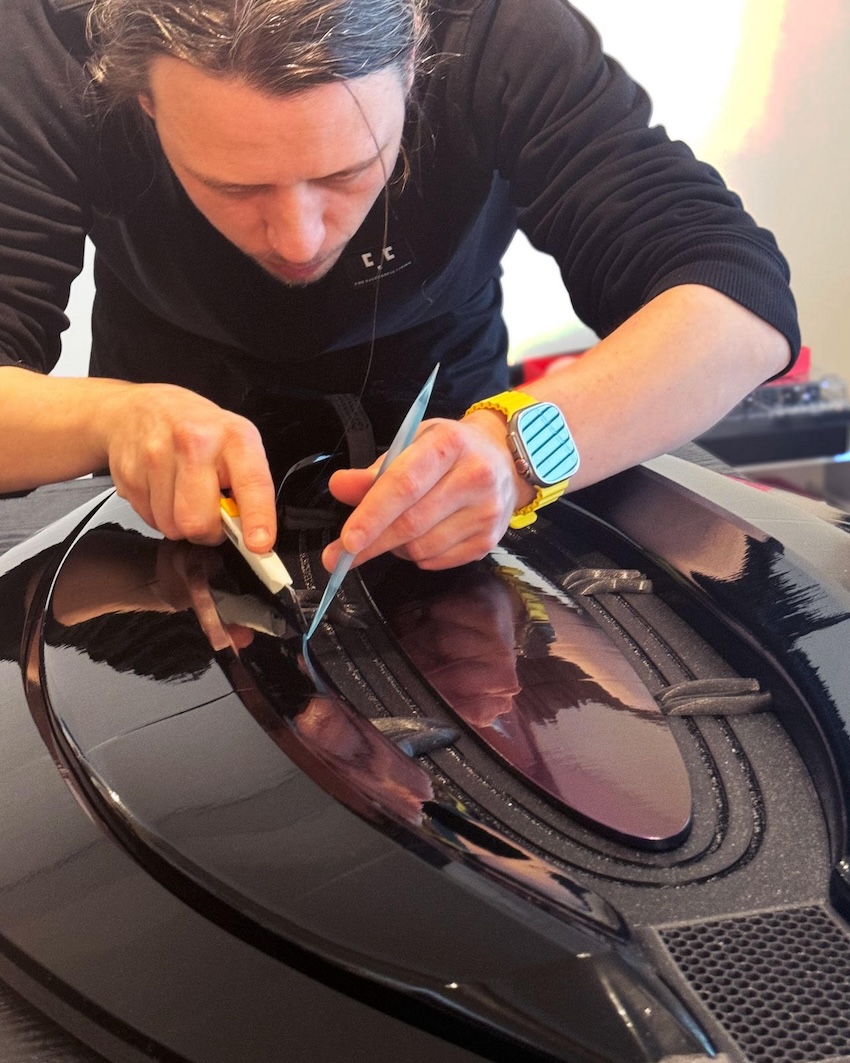
Music was Baptiste’s first creative passion. Starting with percussion at age three, then saxophone, and later advanced studies in musicology, his foundation in composition influenced his later artistic work. However, tinnitus eventually limited his ability to work professionally in sound, prompting a shift to visual and digital arts.
Baptiste embraced 3D printing, Polaroids, and sculptural techniques to create his art. His process involves designing digitally, printing in 3D, and manipulating the material by hand, blending technology and tactile craftsmanship. This unique medium allows him to explore new aesthetics and storytelling possibilities that traditional art forms cannot easily replicate.
The concept of ikigai
Baptiste embodies the principles of ikigai through his lifelong curiosity. He intentionally seeks niche and underexplored fields, whether in martial arts or artistic expression. For instance, when he began studying Jukendo and Tankenndo, there were almost no foreigners practicing these arts in Japan. This allowed him to gain undivided attention from masters and develop a deep understanding of the discipline.
He shares that he wants to explore fields that are not well known because there’s a lot of interesting possibilities. This philosophy extends into his art, where he combines 3D printed modules with analog media like Polaroids, producing innovative and personal sculptures.
Art as innovation
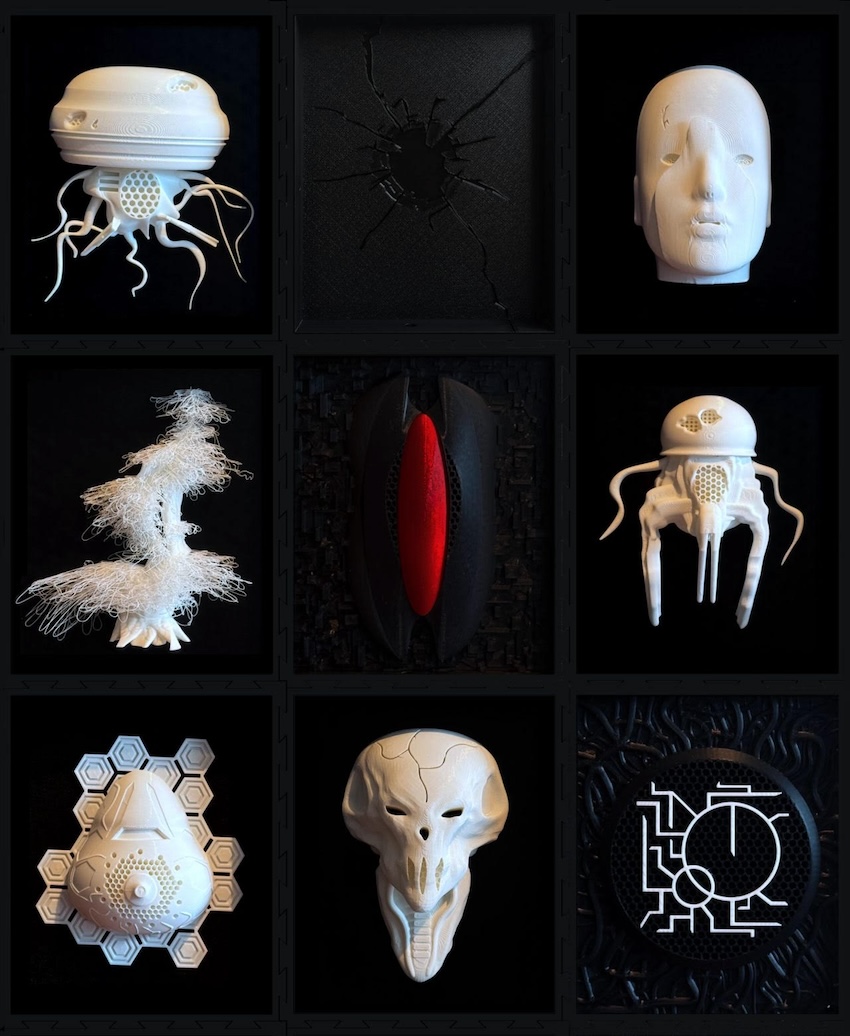
One of Baptiste’s signature projects is the Kura Kurisa, or curiosity cabinets, a modular collection of 3D printed elements. He designed open-source modules that enthusiasts can print, modify, and reassemble, creating a playful, interactive form of art. While he limits some modularity to maintain quality, the philosophy behind his work emphasizes creativity, exploration, and the potential of new technology.
Addressing skeptics of 3D printed art, Baptiste notes that while machines assist in creation, the artist’s vision and intervention define the work. He often manipulates the prints post-production, ensuring each piece remains unique and personal, much like analog photography.
The joy of creation
Selling a piece of art brings Baptiste both practical and emotional rewards. Beyond supporting the cost of materials, sales represent recognition. Someone values the work enough to invest in it, which fuels motivation to create further.
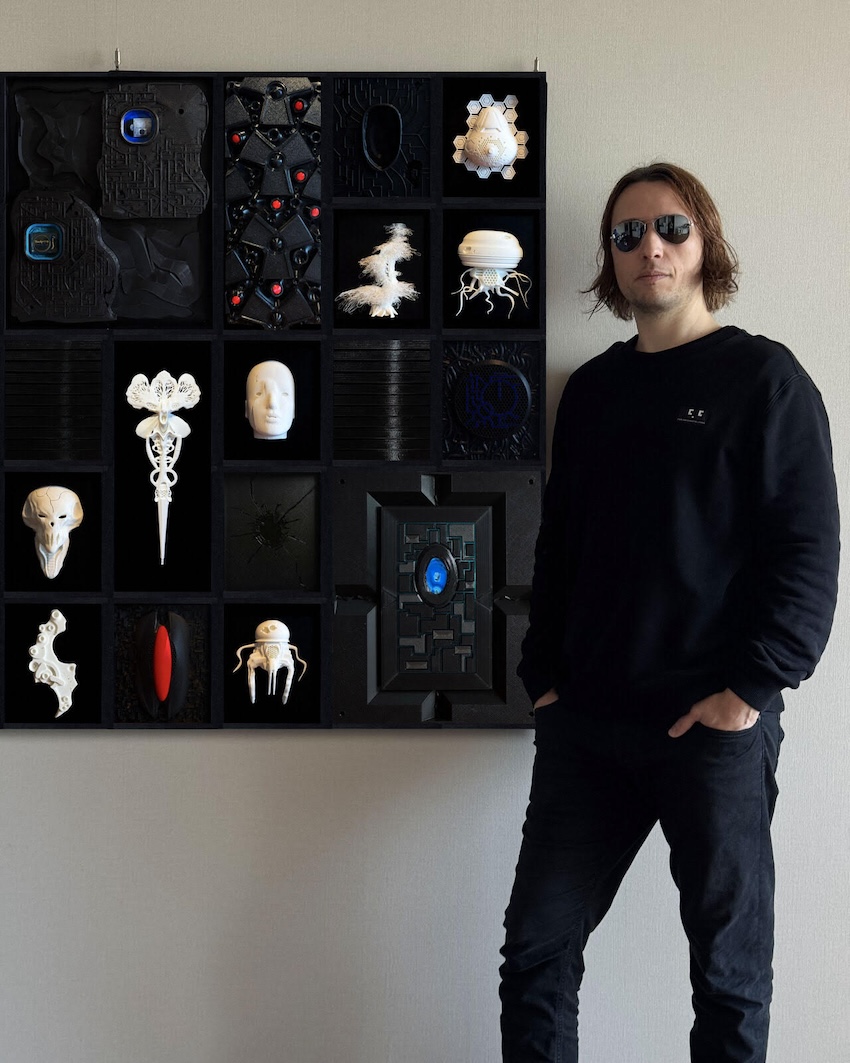
He likens this to a form of self-actualization, a concept central to ikigai: the joy of creating something meaningful and unique. Through his art, Baptiste continues to combine technology, traditional craft, and human creativity, offering a glimpse into the future of artistic expression.
Conclusion
Baptiste’s story shows how following your interests, exploring niche passions, and choosing unconventional paths can lead to a meaningful and fulfilling life. His journey reflects a creative way of living, continuous learning, and the joy of making something truly unique.