podcasts

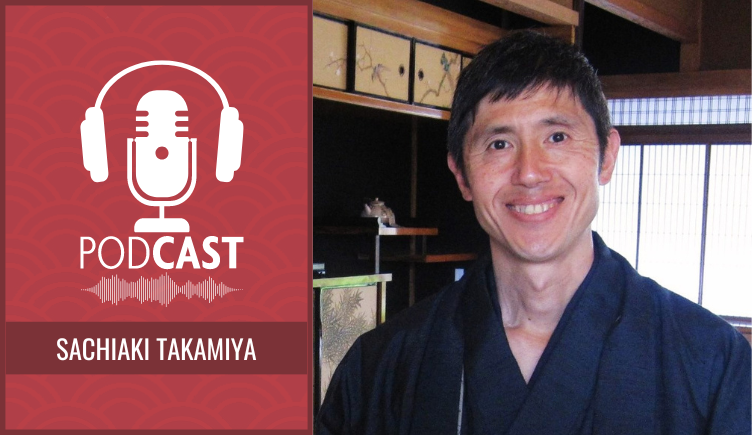
Sachiaki Takamiya

57 – The Benefits of Ikigai Bio-Hacking with Sachiaki Takamiya – Part 1

“We need about 30 different kinds of fibre a week, which is a lot, because if we think of fibre, we think of vegetables. But how many vegetables do you eat regularly? Maybe 10. But that is quite difficult to find only from vegetables. But there is this system in Japan called Mago Wa Yasashii.

So Mago Wa Yasashii, basically, you consume a lot of beans, a lot of nuts and seeds, a lot of seaweeds, fish, vegetables, mushrooms, and potatoes. Except for fish, they all contain a lot of fibre. You can easily find 30 different kinds of fibre if you use Mago Wa Yasashii.”

57 – The Benefits of Ikigai Bio-Hacking with Sachiaki Takamiya – Part 1 Read More »

Jamila Rodrigues

56 – The Embodiment of Ikigai with Jamila Rodrigues

“The way I see it, ikigai is a body and mind experience that occurs when participants reflect on it and connect it with certain aspects of their lives. The body is both a natural pre-reflective self and an important medium for reflexivity, therefore, thinking, perceiving, imagining, and feeling ikigai experience are all parts of bodily knowledge.

If we are to study phenomenons like ikigai and its experience, we need to place the body at its centre, because this experience comes from people’s perceptions, orientation and engagement with the world and requires body knowledge to embody and make sense of itself and its interrelated dimensions.”

56 – The Embodiment of Ikigai with Jamila Rodrigues Read More »

Dr. Ariadne Ferro

55 – Ikigai and ADHD with Dr. Ariadne Ferro

“Because of just all the changes I’ve made in my life, I just had finally moved into a moment in my life where I thought, I just want stability, I don’t want drama. I just want to enjoy my family and just do my thing. But I realised that the work that I was doing wasn’t the work that I enjoyed doing and didn’t believe in it. I didn’t want to continue doing it. And I just felt, I just felt pretty lost.

And somebody, somebody that I met on LinkedIn, I think the purpose was for her to tell me about your course. I started researching, what’s this ikigai? I saw it as an opportunity to learn to ground myself, to just stop for a moment and think: Where am I going to go next? What’s going to happen? But first, I need that grounding.” – Ariadne Ferro

55 – Ikigai and ADHD with Dr. Ariadne Ferro Read More »

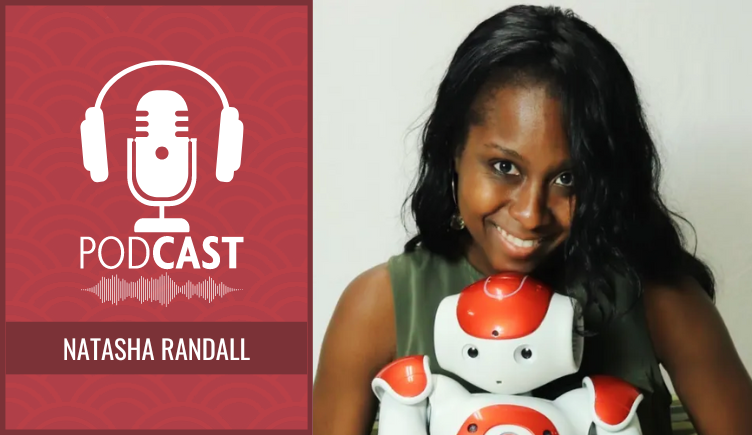
Natasha Randall Ikigai Tribe

54 – The Impact of Technology on Our Ikigai Sources with Natasha Randall

“So I never really thought about my ikigai sources until you hear the word ikigai, and then it’s all you can think about. I would say for me, I have multiple sources of ikigai. One thing that really provides me with a sense of it is looking back on my day and knowing I’ve accomplished something.

Another thing that gives me ikigai is dancing. So just living in that experience in the body, getting lost in it, completely engaging in that activity. And that also lends itself to progress as well.” – Natasha Randall

54 – The Impact of Technology on Our Ikigai Sources with Natasha Randall Read More »

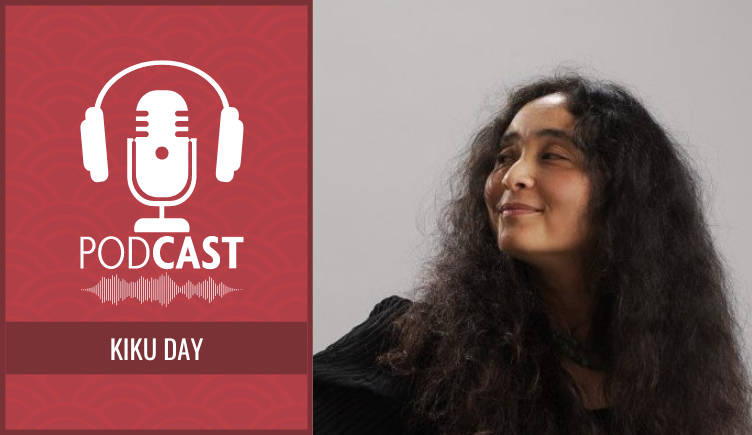
Kiku Day Ikigai Tribe

53 – The Mindful Playing of the Shakuhachi with Kiku Day

Kiku Day is a shakuhachi player, a PhD ethnomusicologist, and a world traveller from Copenhagen, Denmark. Her work lies at the intersections of performance of traditional shakuhachi music, contemporary music and improvisation, ethnomusicology, history, politics, meditation, and writing. She studied shakuhachi with Okuda Atsuya, one of the foremost performers of jinashi shakuhachi, in Tokyo, Japan for 11 years before returning to Europe to study ethnomusicology at School of Oriental and African Studies at University of London.

53 – The Mindful Playing of the Shakuhachi with Kiku Day Read More »

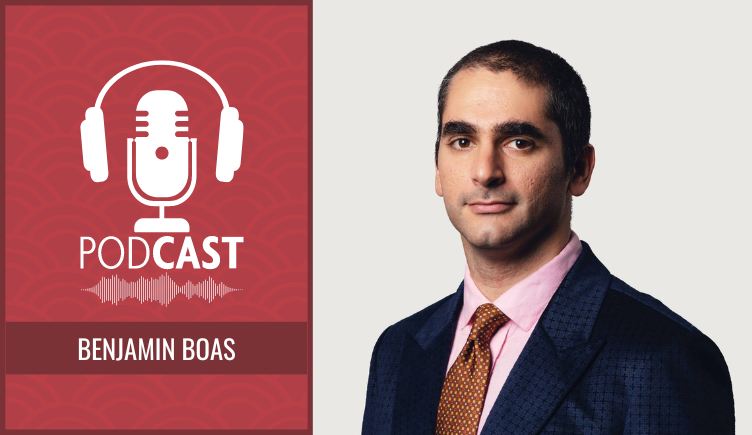
Benjamin Boas Ikigai Tribe

52 – Exploring Japan’s Unique Culture with Benjamin Boas

Benjamin Boas is an American author, translator, and contemporary Japanese culture consultant. He is both the Cool Japan Ambassador for the Japanese government and a Tourism Ambassador for the Nakano ward in Tokyo. He is the author of From Cool Japan to Your Japan and two other Japanese-language books about intercultural education and has written for Studio Ghibli, The Japan Times, and many other publications.

52 – Exploring Japan’s Unique Culture with Benjamin Boas Read More »

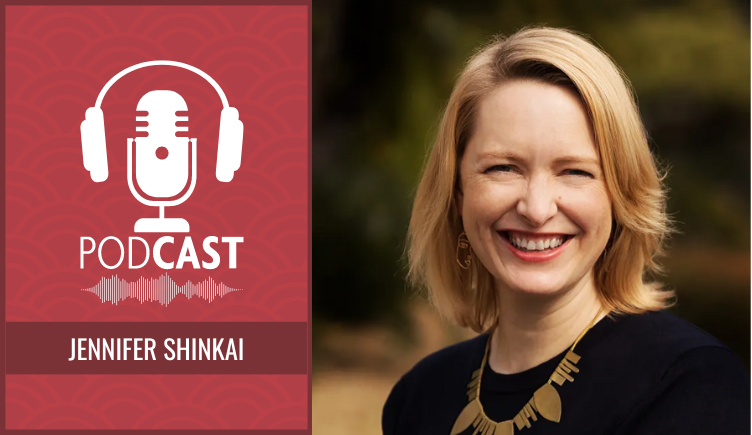
Jennifer Shinkai Ikigai Tribe

51 – Exploring Ikigai and Inclusion in Japan with Jennifer Shinkai

Jennifer Shinkai is a facilitator and executive coach living in Japan. Originally from the UK, Jennifer holds an MA (Oxon) in English Language and Literature from St. Hugh’s College, Oxford University. She is an ICF Associate certified coach, Points of You® Expert, and Organization and Relationship Systems Coaching ORSC® Practitioner, and coaches individuals and corporate groups around their ikigai. She also has her own podcast and YouTube channel, “Ikigai with Jennifer Shinkai.”

51 – Exploring Ikigai and Inclusion in Japan with Jennifer Shinkai Read More »

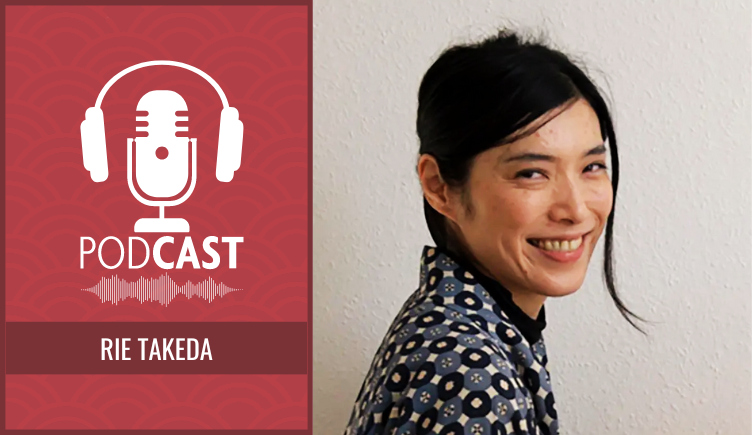
Rie Takeda Ikigai Tribe

50 – Shodo: The practice of mindfulness through the ancient art of Japanese calligraphy with Rie Takeda

Rie Takeda is a freelance artist and a professional calligrapher; she has been practising shodo since the age of five, under the creative supervision of her grandmother, a distinguished Gayu calligraphy artist.

Rie teaches shodo in various countries, including the UK, Switzerland, and Germany. She produces Neo-Japonism paintings, calligraphy works, washi paper and vintage Kimono collages, illustrations, and works in body art. Rie was also a guest on episode 32 of the Ikigai Podcast, where she talked about Mindfulness Calligraphy.

50 – Shodo: The practice of mindfulness through the ancient art of Japanese calligraphy with Rie Takeda Read More »

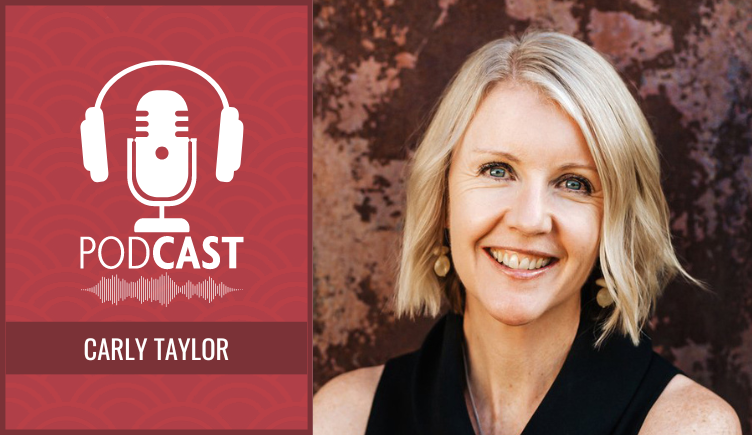
Carly Taylor Ikigai Tribe

49 – The Benefits Naikan and Mortia Therapy of with Carly Taylor

Everyone wants to be the best version of themselves; some would think that to achieve that, it is vital to go after bigger goals. In Japan, however, people focus on having better relationships and reflecting on their lives rather than going after something grand. Morita therapy and Naikan are some of the Japanese psychology that may help people contemplate their lives and understand what really matters.

49 – The Benefits Naikan and Mortia Therapy of with Carly Taylor Read More »

Clark Chilson Ikigai

48 – Naikan and its relation to the cultivation of ikigai with Dr. Clark Chilson

Have you ever contemplated the good things that happened in your life? Sometimes, we tend to focus on the negative aspects of our lives, and we forget to acknowledge the good things that occur around us. In Japan, they have a self-reflective form of meditation called naikan; this method helps people realise what they have caused others (both good and bad). Can this practice of naikan help us feel more ikigai in our lives?

48 – Naikan and its relation to the cultivation of ikigai with Dr. Clark Chilson Read More »